
You know you want a metal roof. Now you have another decision to make.
Standing seam vs. Pro-Rib metal roofing comes down to more than appearance. These systems use different fastening methods, carry different upfront costs, and can make sense for different types of buildings.
Sunset Metal Roofing installs both throughout West Central Illinois. We don’t believe every customer needs the most expensive option. The right choice depends on the property, what you expect from the roof, and where you want to put your budget.
Here’s how the two compare.
The Biggest Difference: Hidden vs. Exposed Fasteners
Start with how the panels attach to the roof.
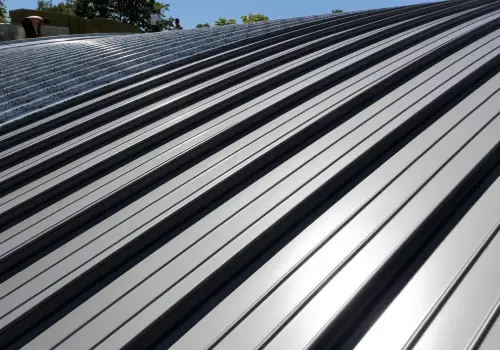
Standing seam roofing uses concealed fasteners. The fastening system sits beneath the finished panels, while raised seams connect the panels and create the roof’s distinctive vertical lines.
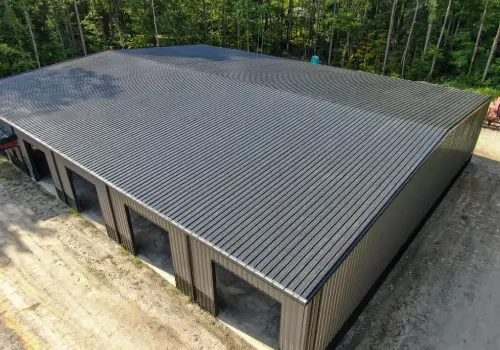
Pro-Rib uses exposed fasteners. Screws pass through the face of the metal panels and remain visible after installation.
That distinction affects several other characteristics of the roof, including its appearance, installation, maintenance considerations, and price.
If you’ve been researching an exposed fastener vs. hidden fastener roof, Pro-Rib and standing seam give you examples of both approaches.
Standing Seam vs. Pro-Rib at a Glance
| Feature | Standing Seam | Pro-Rib |
|---|---|---|
| Fasteners | Concealed | Exposed |
| Sunset’s Material | 26-gauge | 29-gauge |
| Appearance | Clean, defined seams | Traditional ribbed metal |
| Upfront Cost | Generally higher | Generally more economical |
| Fastener Exposure | Protected beneath panels | Exposed to weather |
| Common Uses | Homes, barndominiums, shops, light commercial | Homes, barns, garages, shops, agricultural buildings |
| Maintenance Considerations | No exposed panel fasteners to routinely inspect | Exposed fasteners and washers deserve periodic attention |
| Sunset Installation | Trained standing seam installers and on-site rollforming for applicable projects | Professional exposed-fastener installation |
Neither column automatically wins.
The better system is the one that makes sense for the building.
Appearance: How Do You Want the Roof to Look?
This is where many homeowners notice the biggest difference.
Standing seam provides long, uninterrupted metal panels separated by raised seams. Because the fasteners aren’t visible across the face of the roof, the finished surface has a cleaner appearance.
That makes standing seam especially popular for residential metal roofing in Illinois, barndominiums, and properties where the roof plays a major role in the building’s overall design.
Pro-Rib has the more familiar ribbed-metal appearance with visible fasteners.
For barns, shops, garages, agricultural structures, and other practical buildings, that look can fit the property perfectly. Some homeowners prefer it on houses as well.
There’s no rule saying residential means standing seam and agricultural means Pro-Rib.
Appearance is one factor, not the entire decision.
Cost: Where Pro-Rib Has an Advantage
If initial project cost is a major consideration, Pro-Rib will generally have the advantage.
The system uses 29-gauge panels and a more straightforward exposed-fastener installation. Standing seam uses Sunset’s 26-gauge material, concealed fastening, and a more involved fabrication and installation process.
That additional work contributes to a higher upfront investment.
But price needs context.
If you’re roofing a large agricultural building where function and budget are the primary considerations, spending more for concealed fasteners and a premium residential appearance may not be necessary.
If you’re putting a roof on your home and specifically want standing seam’s appearance and concealed-fastener design, the additional investment may make sense.
Sunset would rather explain that difference than upsell every property owner.
Maintenance: Exposed Fasteners Deserve Attention
The fastening method becomes particularly relevant as a roof ages.
Pro-Rib screws and washers remain exposed to sunlight and weather. Those components should be part of periodic roof inspections over the life of the system.
Sunset uses premium roofing components, including quality washers intended to better withstand UV exposure and help the roof remain secure longer.
Standing seam moves the fastening system beneath the panels, so you don’t have the same rows of exposed panel fasteners.
That doesn’t make standing seam maintenance-free.
Any roof can benefit from periodic observation, particularly after severe weather. Flashing, penetrations, trim, storm damage, debris, and other conditions can still deserve attention regardless of which metal system you choose.
Which Metal Roof Lasts Longer?
This question deserves a more careful answer than simply assigning each system a number of years.
Both can provide long-term service when quality materials are installed correctly and the roof is appropriately maintained.
However, their designs create different long-term considerations.
Standing seam protects its fastening system beneath the panels. Pro-Rib leaves fasteners and washers exposed to weather and UV radiation, making those components an important inspection and maintenance consideration over time.
Actual roof longevity can also be influenced by installation quality, weather exposure, building design, maintenance, and other project-specific conditions.
Sunset backs standard roofing colors with a 40-year paint warranty, but a paint warranty shouldn’t be confused with a blanket guarantee of how long every component of a roof will perform.
Where Standing Seam Makes Sense
Sunset may recommend Standing Seam Metal Roofing when the property owner prioritizes:
- Concealed fasteners
- A clean residential appearance
- A premium metal roofing system
- Long, defined panel runs
- Fewer exposed roofing components
- A roof for a home, barndominium, shop, or light commercial property where appearance is especially important
For applicable projects, Sunset can fabricate standing seam panels on-site using New Tech Machinery portable rollforming equipment.
That allows panels to be made according to project-specific lengths while helping reduce unnecessary material waste.
Where Pro-Rib Makes Sense
Pro-Rib can be the practical choice when the property owner wants metal roofing but doesn’t necessarily need a concealed-fastener system.
We may discuss Pro-Rib for:
- Barns
- Agricultural buildings
- Garages
- Workshops
- Storage buildings
- Houses
- Other projects where controlling upfront cost is an important consideration
It’s not simply the “cheap version” of metal roofing.
It’s a different system with a different fastening method, appearance, and price point. For the right building, those characteristics can line up well with what the owner actually needs.
Which One Would Sunset Put on Your Property?
We wouldn’t answer that without knowing what we’re roofing.
If you’re building a custom home and the roof will be a major architectural feature, standing seam may deserve serious consideration.
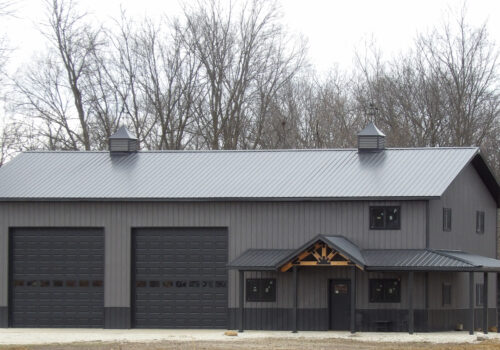
If you need to cover a large working barn and want a straightforward metal system without paying for features that aren’t priorities for you, Pro-Rib may be the more practical conversation.
A garage, shop, barndominium, or commercial property could go either direction depending on the project.
That’s why comparing the types of metal roofing should start with your building instead of a predetermined answer.
Sunset specializes in metal roofing, with more than 20 years of roofing and construction experience across our team and more than 1,000 completed roofs. Our crew includes trained standing seam installers, and we serve properties within roughly 60 miles of Roseville, including Galesburg, Peoria, Macomb, Aledo, and surrounding areas.
Compare Your Metal Roofing Options With Sunset
You don’t need to decide between standing seam and Pro-Rib before calling.
Tell us what you’re roofing, what matters most to you, and what you’re trying to accomplish. We’ll explain the differences and help you determine which system makes sense for the property.
Call Sunset Metal Roofing at 309-271-0756 to discuss your metal roofing project and request a quote.
Frequently Asked Questions
Is standing seam better than Pro-Rib?
Not automatically. Standing seam offers concealed fasteners and a cleaner finished appearance but generally comes with a higher upfront cost. Pro-Rib uses exposed fasteners and can provide a more economical option for many homes, garages, barns, shops, and agricultural buildings.
Does Pro-Rib require more maintenance than standing seam?
Pro-Rib has exposed screws and washers that remain subject to weather and UV exposure, so those components deserve periodic attention. Standing seam conceals its panel fasteners, although the overall roof should still be observed and maintained as needed.
Can I use Pro-Rib on a house?
Yes. Pro-Rib isn’t limited to barns or agricultural buildings. It can be used for residential projects when its appearance, fastening method, and price point align with what the homeowner wants.
What is the difference between 26-gauge and 29-gauge metal roofing?
Gauge refers to the thickness of the metal, with a lower gauge number indicating thicker material. Sunset uses 26-gauge material for its standing seam system and 29-gauge material for Pro-Rib. Gauge is only one part of comparing the two systems; fastening method, installation, building type, appearance, and budget should also be considered.