
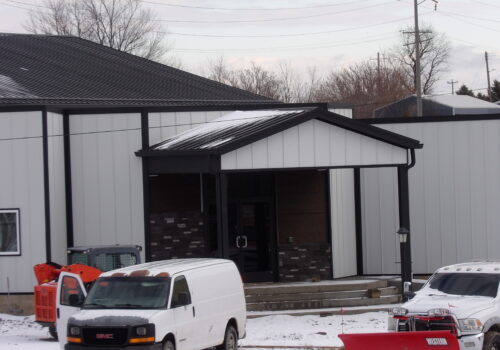
Illinois doesn’t give a roof much of a break.
A single year can bring strong winds, thunderstorms, hail, heavy rain, snow, freezing temperatures, summer heat, and major temperature swings. From Galesburg and Macomb to Peoria and Aledo, property owners need roofing materials selected and installed with Midwest conditions in mind.
That’s one reason metal roofing and Illinois weather make a practical combination. A properly installed metal roof provides a durable exterior system for homes, farms, shops, barndominiums, and other buildings exposed to changing conditions throughout the year.
At Sunset Metal Roofing, we specialize in metal. Here’s what that means when Illinois weather gets involved.
Strong Winds Put the Entire Roofing System to the Test
Wind doesn’t only push down on a roof. It can create uplift forces that put pressure on panels, fasteners, edges, and other parts of the system.
That’s why wind performance isn’t simply about choosing a heavy piece of metal.
Installation matters.
Panels need to be properly secured, and edges, flashing, fasteners, and other components all need to work together. Sunset uses quality roofing materials and premium components rather than treating the smaller parts of the roof as an afterthought.
No roofing contractor can responsibly promise that a roof is immune to extreme weather. The goal is to install the system correctly so it’s prepared for the conditions it’s designed to handle.
What Happens When Hail Hits a Metal Roof?
Hail is a legitimate concern for any Illinois roof.
Metal roofing is a tough material, but that doesn’t make it completely immune to hail damage. The effect of a storm can vary depending on hail size, wind speed, panel type, roof design, and other conditions.
Severe hail can potentially leave cosmetic dents or cause damage that warrants an inspection.
That’s an important distinction.
Claims that metal roofing is “hail-proof” oversimplify the issue. What metal does provide is a durable roofing material that doesn’t depend on a layer of asphalt shingles and granules to form the exterior surface.
After a significant hailstorm, it’s still smart to have the roof evaluated if you suspect damage.
Snow Has Somewhere to Go
Snow introduces a different set of considerations.
Metal has a relatively smooth surface, and snow may slide from some metal roofs rather than remaining in place. How quickly that happens depends on roof pitch, snow conditions, temperature, roofing profile, and other factors.
That movement needs to be considered around entrances, walkways, landscaping, vehicles, and other areas below the roof.
The structure itself also needs to be designed appropriately for applicable loads.
For a new Metal Building, Pole Barn, or Barndominium, roofing and structural decisions should be considered together rather than treating snow as something only the panels need to handle.
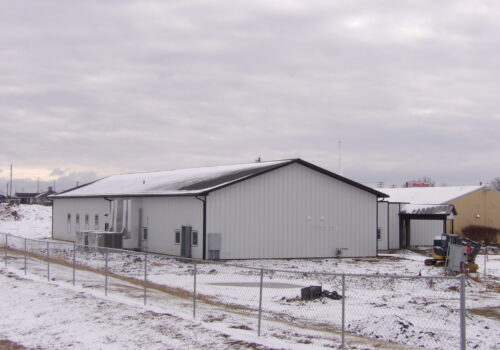
Heavy Rain Shows Why Roofing Details Matter
When rain starts coming down hard, the roof’s job is straightforward: move water away from the building without letting it underneath the system.
Doing that successfully depends on more than the center of the panels.
Valleys, ridges, penetrations, edges, flashing, transitions, and fasteners all create areas where careful installation matters.
With exposed-fastener metal roofing, the washers around those fasteners are another important component. Sunset uses quality washers intended to better withstand UV exposure and help roofing remain secure longer.
With Standing Seam Roofing, the fasteners are concealed beneath the finished roof surface.
Different systems handle fastening differently, but both depend on correct installation.
Illinois Temperature Swings Are Part of the Job
Illinois can move from freezing winter conditions to hot summer temperatures over the course of the year. Even shorter periods can bring substantial temperature changes.
Metal naturally expands and contracts as temperatures change.
That’s not a defect. It’s a material characteristic that needs to be accounted for when a metal roofing system is designed and installed.
Panel length, fastening methods, roof geometry, and system design all play a role.
For applicable standing seam projects, Sunset uses New Tech Machinery portable rollforming equipment to fabricate panels at the jobsite. Producing panels for the actual roof gives our installers control over the lengths needed for each project while reducing unnecessary material waste.
Sun Exposure Matters, Too
Storms get attention because they’re dramatic. Sun exposure happens every clear day.
Roofing materials and components spend years exposed to ultraviolet radiation and heat. That makes the quality of the finish and smaller roofing components important to long-term performance.
Sunset offers a 40-year paint warranty on standard colors.
We also use premium roofing components, including washers intended to better withstand UV exposure.
A roof isn’t installed for its first summer. The material choices need to make sense for years of outdoor exposure.
Durability Comes From the System, Not One Feature
It’s tempting to reduce metal roofing to one selling point.
The reality is more practical.
Long-term durability comes from the combination of the roofing material, system design, quality components, fabrication, installation, and the structure underneath it.
Sunset’s team brings more than 20 years of roofing and construction experience and has completed 1,000+ roofs. Our crew includes trained standing seam installers, and our work is centered on metal roofing rather than treating it as an occasional alternative to shingles.
We’re also licensed, bonded, and insured under Illinois roofing license #104.019134.
Those are the kinds of details worth considering when you’re putting a roof over something you intend to keep.
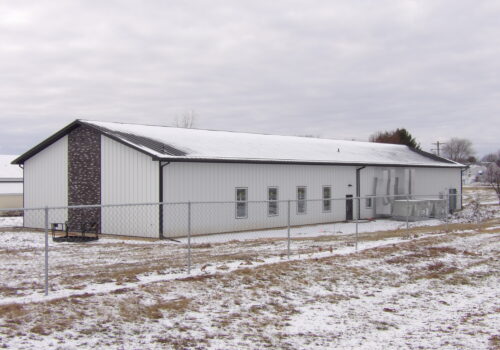
Metal Roofing Across West Central Illinois
Weather conditions don’t suddenly change at a county line.
Homes around Galesburg, rural properties outside Macomb, buildings throughout the Peoria area, and properties near Aledo all experience the broader seasonal patterns that define this part of Illinois.
Sunset Metal Roofing is based in Roseville and generally serves properties within roughly 60 miles.
Working in this area means we’re familiar with the reality of Central and West Central Illinois weather. We aren’t installing a roof for one ideal season. We’re installing it knowing summer, fall, winter, and spring are all coming.
Build a Roof for More Than a Sunny Day
A new roof should look good when the project is finished.
More importantly, it needs to keep doing its job after the weather changes.
If you’re considering metal roofing for an Illinois home, farm, shop, barndominium, or other building, Sunset can help you compare systems and determine what makes sense for your property.
Call Sunset Metal Roofing at 309-271-0756 to discuss your metal roofing project and request a quote.
Frequently Asked Questions
Can hail damage an Illinois metal roof?
Yes. Metal roofing is durable, but no responsible contractor should call it completely hail-proof. Severe hail can potentially cause cosmetic denting or other damage depending on the size of the hail, wind conditions, roofing system, and characteristics of the storm.
Does snow slide off metal roofing?
It can. The smooth surface of metal may allow accumulated snow to slide under certain conditions. Roof pitch, temperature, snow conditions, and panel profile can influence snow movement, so areas below the roof should be considered during project planning.
Does metal roofing expand and contract with Illinois temperature changes?
Yes. Metal naturally expands when heated and contracts as temperatures fall. A properly planned metal roofing system accounts for this movement through its design and installation methods.
Is metal roofing only practical for Illinois farm buildings?
No. Metal roofing can be used on homes, barndominiums, shops, garages, agricultural buildings, pole barns, and light commercial properties. Different metal roofing systems can be selected based on the building and project priorities.